The Science of Awe: Why Wonder Is the Most Underrated Emotion for Growth
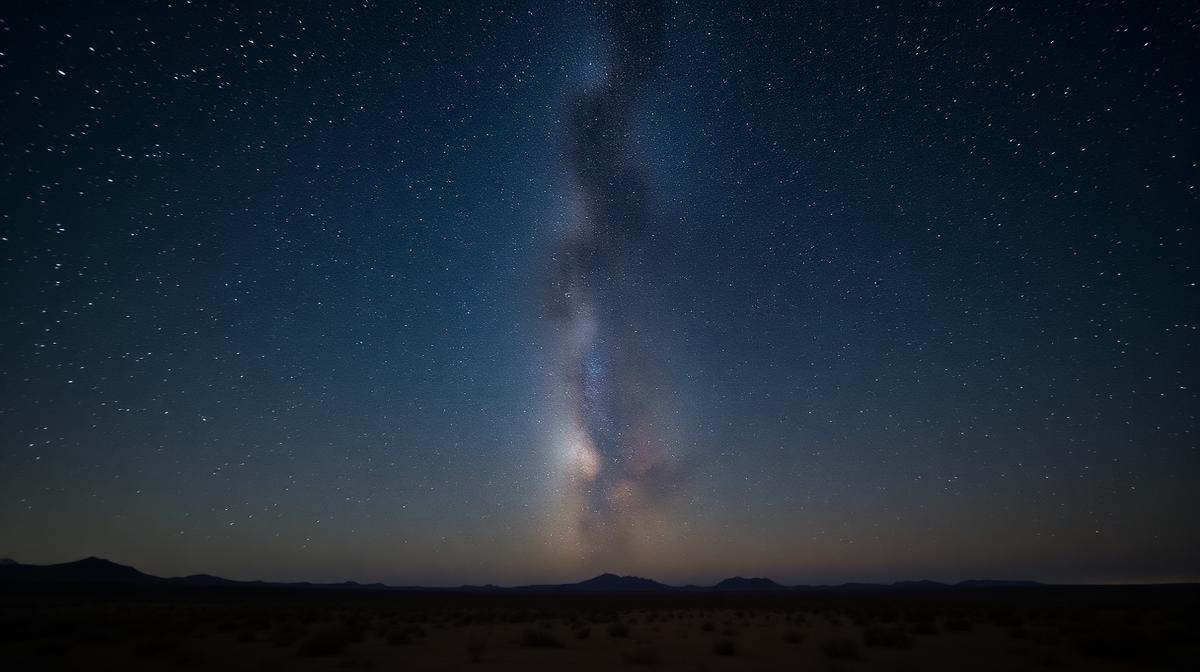
When was the last time something took your breath away? Not figuratively — literally. A sunset that stopped you mid-step. A piece of music that made your eyes water unexpectedly. A night sky so vast you felt the earth move beneath your feet.
That feeling — awe — isn't just pleasant. It's one of the most psychologically transformative emotions humans can experience. And most of us are profoundly awe-deprived.
"The most beautiful thing we can experience is the mysterious. It is the source of all true art and science." — Albert Einstein
What awe does to the brain:
Psychologist Dacher Keltner, who has spent two decades studying awe at UC Berkeley, has found that awe produces a unique neurological signature. It activates the vagus nerve, reduces inflammation, quiets the default mode network (the brain's self-referential chatter), and releases oxytocin.
In practical terms: awe makes you less self-absorbed, more generous, more connected to others, and physically healthier. A single awe experience can shift your perspective for days.
The "small self" effect:
One of awe's most powerful effects is what researchers call the "small self" — the sense that you are part of something much larger. This isn't diminishment; it's liberation. When the ego shrinks in response to vastness, the anxieties, grudges, and self-obsessions that normally dominate mental life temporarily dissolve.
The Motivational app taps into this through quotes from great thinkers who experienced awe — Einstein contemplating the cosmos, Rumi losing himself in love, Marcus Aurelius meditating on the vastness of time. Each quote is a micro-dose of awe.
The awe deficit:
Modern life systematically eliminates awe. We spend 93% of our time indoors. We stare at small screens instead of vast horizons. We optimize for efficiency rather than wonder. We know so much that we've stopped being amazed by anything.
This awe deficit has consequences. Without regular encounters with vastness, the ego goes unchecked. Without wonder, curiosity atrophies. Without the "small self" experience, our problems feel enormous because we have no larger context to place them in.
Seven pathways to awe:
1. Nature immersion. Research consistently shows that nature is the most reliable awe trigger. But not all nature experiences are equal — vast landscapes (oceans, mountains, night skies) produce more awe than gardens or parks. Seek bigness.
2. Music. Certain music reliably produces awe — particularly pieces with unexpected harmonic shifts, building crescendos, or vast soundscapes. Close your eyes. Use headphones. Let the music be the only thing that exists.
3. Contemplative reading. A profound insight can produce intellectual awe — the sudden recognition of a truth that reframes everything. The Motivational app's daily quotes work this way: a single sentence that cracks open a new way of seeing.
4. Human excellence. Watching someone perform at the peak of human capability — an athlete, a musician, a dancer, a speaker — produces awe at what humans can become. It expands your sense of possibility.
5. Microscopic wonder. Awe doesn't require vastness — it requires the perception of vastness. Looking at cells under a microscope, contemplating atoms, or considering the complexity of a single leaf can produce awe at the intricacy of existence.
6. Stories of moral beauty. Hearing about extraordinary acts of kindness, courage, or sacrifice produces a specific type of awe that researchers call "moral elevation." It restores faith in human nature and inspires prosocial behavior.
7. Meditation on time. Contemplate deep time — the 13.8 billion years since the Big Bang, the 4.5 billion years of Earth's history, the 300,000 years of human existence. Your problems don't disappear, but they find their proper scale.
The daily awe practice:
You don't need to visit the Grand Canyon weekly. Awe is available in everyday moments — if you train your attention to notice it. The way light falls through a window. The improbable existence of consciousness. The fact that atoms arranged themselves into a being that can contemplate atoms.
Start each day with one moment of deliberate wonder. It might be the most important habit you ever develop.
Ready to start your journey?
Try the Motivational app for daily quotes, habits, widgets, and Moti AI coaching.
 Download free
Keep reading


Related quote collections
Browse all 60+ quote topics or read more on the blog.