The power of solitude: why being alone is a skill worth developing

We live in a culture that treats being alone as a problem to solve. Your phone buzzes with notifications. Podcasts fill your commute. Background TV accompanies every meal. The idea of sitting in silence, with nothing but your own thoughts, feels almost threatening.
But every major creative breakthrough, every important decision, every moment of genuine self-understanding happens in solitude. Not loneliness — solitude. The distinction matters.
Loneliness is the painful feeling of wanting connection and not having it. Solitude is the deliberate choice to spend time alone for reflection, creativity, or restoration. Loneliness is a deficit. Solitude is a practice.
The neuroscience of solitude:
When you're alone and unstimulated, your brain enters what neuroscientists call the "default mode network" (DMN). This network activates when you're not focused on external tasks — when you're daydreaming, reflecting, or letting your mind wander.
The DMN is responsible for some of your most important cognitive functions:
Self-reflection: Understanding who you are, what you want, and what matters to you. Without solitude, this process never gets adequate runtime.
Consolidation: Processing and integrating experiences, emotions, and information. This is why you often "suddenly" understand something while showering or walking — your DMN had time to work.
Creativity: Research from the University of Buffalo found that people who enjoy solitude score higher on creativity measures. Creative insight requires the incubation period that solitude provides — you can't have breakthroughs when your attention is perpetually occupied.
Empathy: Counterintuitively, time alone improves your ability to understand others. The self-reflection that solitude enables helps you understand your own emotions, which is the foundation for understanding others'.
Why modern life makes solitude difficult:
The average person is exposed to more information in a single day than someone in the 15th century encountered in their entire lifetime. Your brain is constantly processing input — notifications, conversations, content, decisions. There's no room for the DMN to activate because there's always something demanding your attention.
This chronic stimulation has consequences. Research shows that people who never experience solitude report higher rates of anxiety, lower creativity, poorer decision-making, and a persistent feeling of not knowing who they are or what they want.
How to practice solitude:
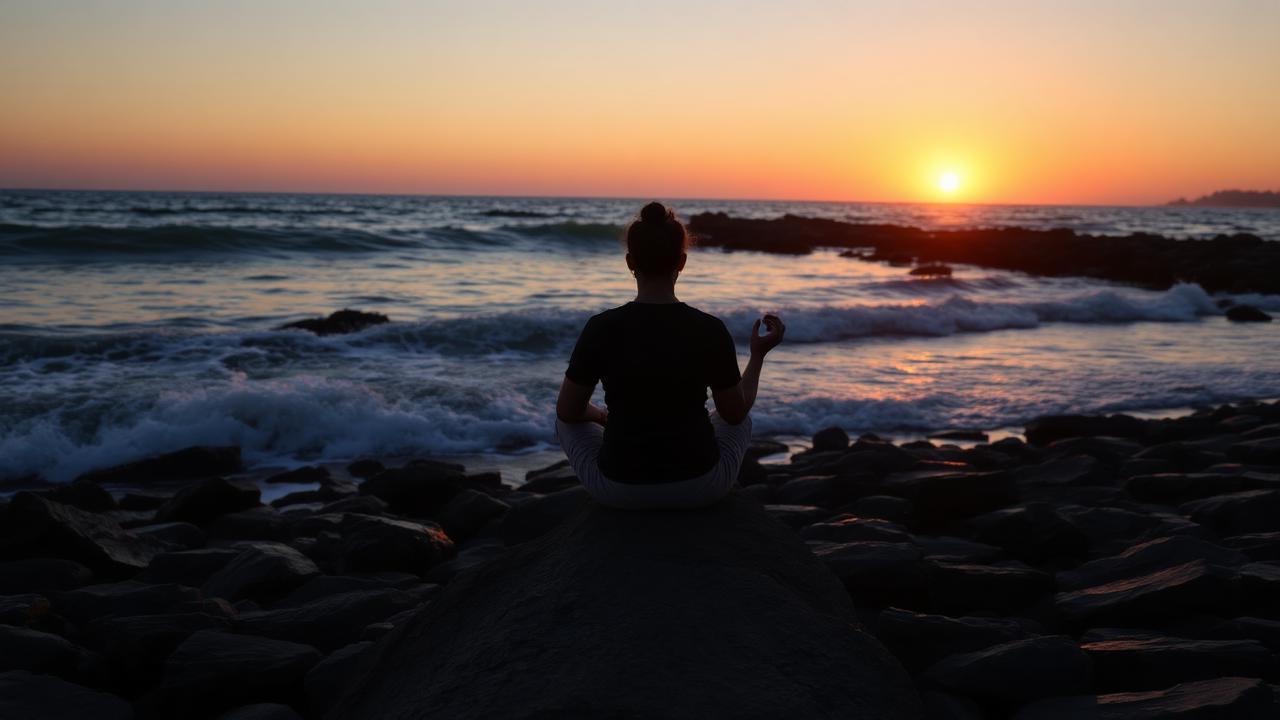
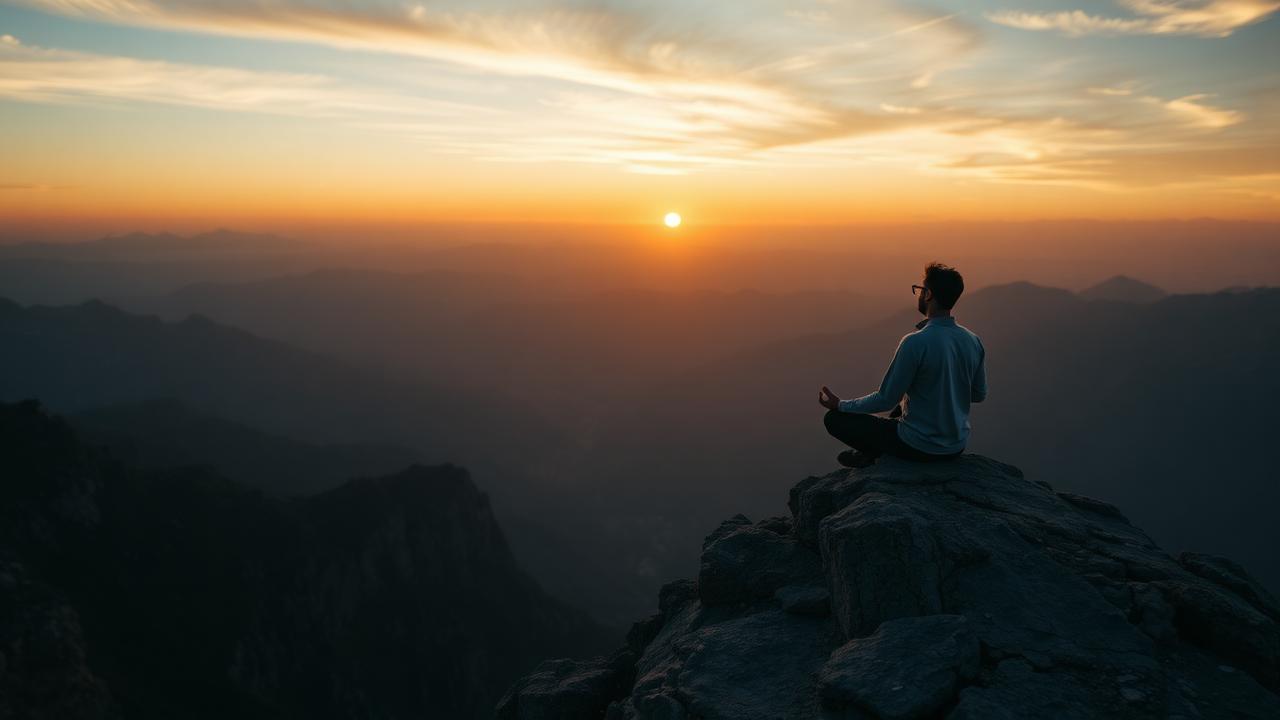
1. Start with 10 minutes. Sit somewhere comfortable. No phone, no music, no book, no podcast. Just you and your thoughts. The first few minutes will feel uncomfortable — maybe even anxiety-inducing. This discomfort is your brain detoxing from constant stimulation. It passes.
2. Walk without headphones. Walking alone in silence is one of the most powerful solitude practices. Your body is moving (which reduces anxiety), your senses are engaged with the natural environment, and your mind is free to wander. Studies show that walking without music or podcasts increases creative output by 60%.
3. Morning solitude ritual. Before you check your phone, spend 5 minutes in silence. Read a quote from the Motivational app, but then sit with it. Don't immediately move to the next thing. Let the words settle. This practice sets the tone for a more intentional, less reactive day.
4. Schedule a solitude appointment. Block one hour per week in your calendar for solitude. Go to a park, a quiet room, or a café alone (without your laptop). Bring a notebook if you want, but the goal isn't productivity — it's presence.
5. Practice "boredom tolerance." When you feel the urge to grab your phone — in line, in the elevator, waiting for food — resist. Let yourself be bored. Boredom is your brain's invitation to think freely, and we've been declining that invitation for years.
What solitude gives you:
Clarity: When the noise stops, you hear your own voice. What do you actually want? What are you avoiding? What matters? These answers don't come from podcasts or Instagram — they come from silence.
Recovery: Introverts and extroverts alike need solitude for psychological recovery. Social interaction, even positive interaction, requires energy. Solitude replenishes it.
Creativity: Your next idea, your best solution, your deepest insight — they're waiting in the quiet space you've been too busy to visit.
Self-knowledge: The Motivational app's habit tracking and daily reflection practices create a framework for solitude that's structured but not rigid. You're not just sitting in silence — you're engaging in deliberate self-reflection with tools that capture what you discover.
The most important relationship you have is with yourself. And like any relationship, it requires quality time — time without distractions, without performance, without anyone else's input. That's solitude. And in a world addicted to noise, it might be the most radical act of self-care available to you.
Ready to start your journey?
Try the Motivational app for daily quotes, habits, widgets, and Moti AI coaching.
 Download free
Keep reading

Related quote collections
Browse all 60+ quote topics or read more on the blog.