The power of writing things down: why pen and paper still beat apps
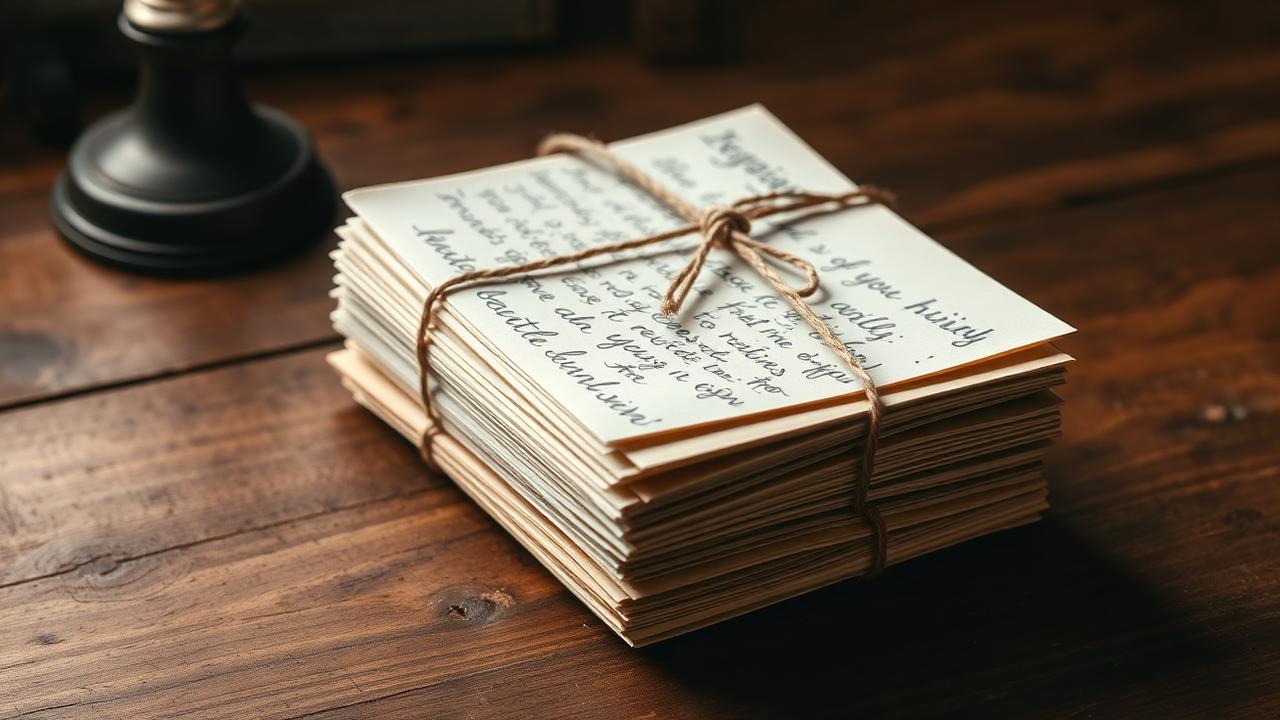
In 1979, a Harvard MBA study supposedly found that the 3% of graduates who wrote down their goals earned ten times more than the other 97% combined. That study is likely apocryphal — but the underlying principle is backed by real science.
Dr. Gail Matthews at Dominican University conducted a rigorous study in 2015 that confirmed it: people who write down their goals are 42% more likely to achieve them than those who simply think about them.
The question is: why?
The neuroscience of writing:
When you type, your brain processes the words through a single motor pathway — your fingers hitting keys. It's efficient but shallow. Your brain treats it like transcription.
When you write by hand, something different happens. The act of forming each letter engages your motor cortex, your visual cortex, and your language processing centers simultaneously. This multi-sensory engagement creates what neuroscientists call "encoding" — the process of converting information into memory.
A Princeton study by Pam Mueller and Daniel Oppenheimer found that students who took handwritten notes performed significantly better on conceptual questions than those who typed notes — even when the typists recorded more content. The handwriters were forced to process and summarize, while typists defaulted to verbatim transcription.
Writing is thinking made visible.
What happens when you write down a goal:
1. It moves from abstract to concrete. "I want to get healthier" is a vague thought. Writing "I will walk 30 minutes every morning before work" forces specificity. Your brain can't act on abstractions — it needs concrete instructions.
2. It activates the Reticular Activating System (RAS). Your RAS is the brain's filtering system. It decides what information gets your attention. When you write a goal, your RAS flags relevant opportunities, resources, and connections that it would otherwise filter out. You don't suddenly get "lucky" — you start noticing what was always there.
3. It creates a commitment contract with yourself. Writing is a micro-commitment. It's harder to ignore a goal you've physically recorded than one you've silently thought. The written word creates accountability — even if only to yourself.
4. It enables review. You can't review a thought. You can review what you've written. Weekly review of written goals is one of the highest-leverage habits for achievement. The Motivational app's habit tracking creates a similar accountability loop — visual evidence of what you've committed to and what you've followed through on.
The daily writing practice:
You don't need to journal for 30 minutes. Three specific practices, taking less than 5 minutes total, can change your trajectory:
Morning: Write your single most important intention for the day. One sentence. "Today I will finish the proposal" or "Today I choose patience with my team."
Evening: Write one thing you learned or one thing you're grateful for. This trains your brain to scan for positive patterns rather than defaulting to negativity.
Weekly: Review your goals and write down progress, obstacles, and adjustments. This is where the real magic happens — you create a feedback loop that most people never establish.
The compound effect of daily writing:
365 days of morning intentions = 365 moments of deliberate focus. 365 evenings of reflection = 365 data points about your life. 52 weekly reviews = 52 course corrections toward your goals.
Most people never do any of this. They keep their goals in their heads, where they compete with grocery lists, work deadlines, and song lyrics for mental bandwidth.
Write it down. It's the simplest, most underrated productivity practice that exists. And paired with the Motivational app's daily quotes and habit tracking, it creates a system where every day starts with intention and ends with reflection.
Ready to start your journey?
Try the Motivational app for daily quotes, habits, widgets, and Moti AI coaching.
 Download free
Keep reading


Related quote collections
Browse all 60+ quote topics or read more on the blog.