5 breathing exercises that instantly reduce stress and boost focus
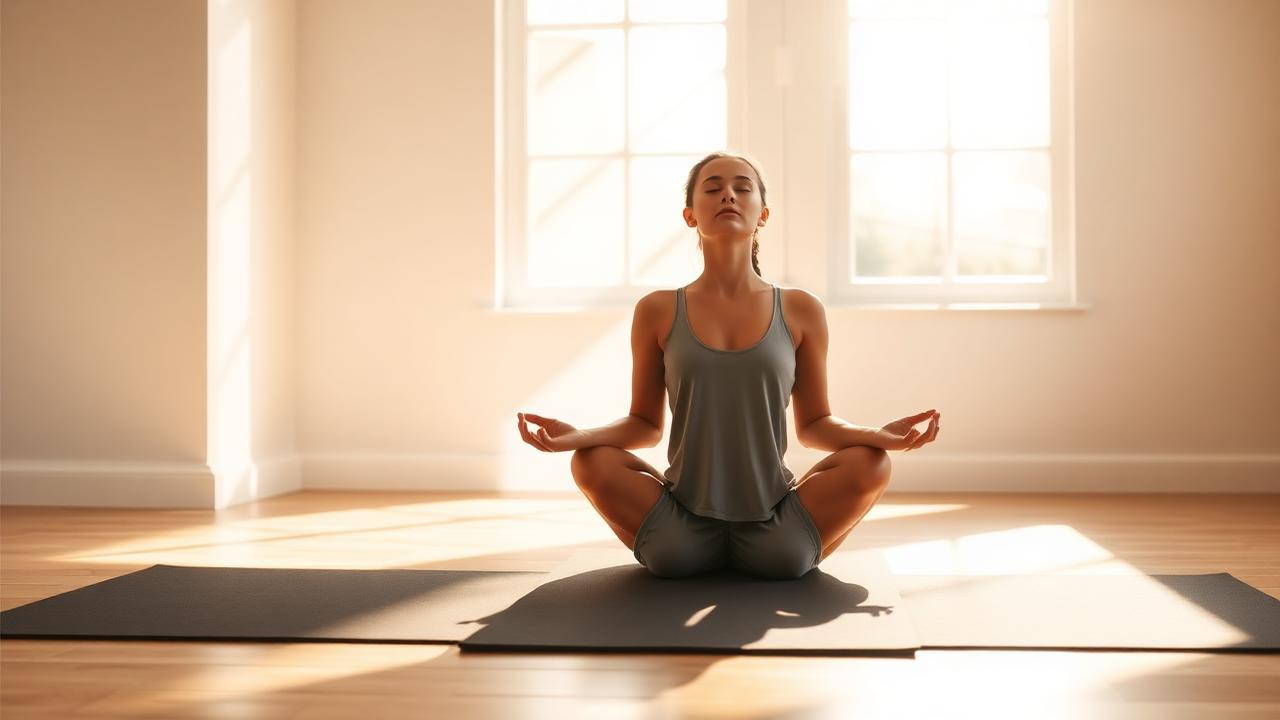
Your breath is remarkable. It runs automatically — you breathe approximately 20,000 times per day without thinking about it. But unlike your heartbeat or digestion, you can consciously override your breathing pattern. This makes it a unique bridge between your voluntary and involuntary nervous systems.
Why this matters: by changing how you breathe, you can directly shift your nervous system from "fight or flight" (sympathetic activation) to "rest and digest" (parasympathetic activation). No meditation app required. No 30-minute session needed. Just a few intentional breaths.
The science of breathing and stress:
When you're stressed, your breathing becomes shallow and rapid — short breaths into the upper chest. This breathing pattern signals your brain that there's a threat, which releases cortisol and adrenaline, which makes you feel more stressed, which makes your breathing shallower. A self-reinforcing cycle.
Research from Stanford neuroscientist Dr. Andrew Huberman identified a specific breathing pattern — the "physiological sigh" — as the fastest way to reduce real-time stress. In a 2023 study published in Cell Reports Medicine, just 5 minutes of structured breathing outperformed 5 minutes of meditation for reducing anxiety and improving mood.
The five most effective breathing exercises:
1. The Physiological Sigh (Instant stress relief — 1 breath):
This is your emergency brake. It can be done in a single breath cycle.
How: Double inhale through the nose (one full inhale, then a second short "sip" of air on top), followed by a long, slow exhale through the mouth.
Why it works: The double inhale maximally inflates the alveoli (tiny air sacs in your lungs), which maximizes carbon dioxide removal on the exhale. This rapidly triggers parasympathetic activation. Your heart rate drops within a single breath.
When: Before a difficult conversation. During a moment of overwhelm. When anxiety spikes. Anytime you need to calm down in seconds, not minutes.
2. Box Breathing (Focus and calm — 4 minutes):
Used by Navy SEALs, first responders, and elite athletes.
How: Inhale for 4 counts → Hold for 4 counts → Exhale for 4 counts → Hold for 4 counts. Repeat for 4 minutes.
Why it works: The equal timing of each phase creates a sense of control and predictability. The breath holds build carbon dioxide tolerance, which reduces the sensitivity of your panic response over time.
When: Before important meetings. During stressful work periods. As part of a morning routine with the Motivational app — read your daily quote, then do 4 minutes of box breathing.
3. 4-7-8 Breathing (Sleep and deep relaxation — 4 cycles):
Developed by Dr. Andrew Weil, based on ancient pranayama techniques.
How: Inhale through the nose for 4 counts → Hold for 7 counts → Exhale through the mouth for 8 counts. Repeat 4 times.
Why it works: The extended exhale activates the vagus nerve, which is the primary parasympathetic pathway. The long hold builds CO2 tolerance. After 4 cycles, most people feel noticeably calmer.
When: Before bed. During anxiety episodes. When you can't fall asleep. As part of the Motivational app's evening shutdown routine.
4. Resonance Breathing (Sustained calm — 10 minutes):
Also called coherent breathing. The simplest technique with the broadest evidence base.
How: Inhale for 5.5 seconds → Exhale for 5.5 seconds. No holds. Just smooth, continuous breathing at approximately 5.5 breaths per minute.
Why it works: This specific rate synchronizes your heart rate variability (HRV) with your breathing pattern, creating what researchers call "cardiac coherence." This state is associated with optimal autonomic nervous system function, improved emotional regulation, and enhanced cognitive performance.
When: Daily practice. This is the one to build into a habit. 10 minutes per day of resonance breathing has been shown to reduce blood pressure, improve HRV, and decrease anxiety scores over weeks of practice.
5. Energizing Breath (Morning activation — 30 seconds):
Sometimes called "breath of fire" in yoga traditions, modified for safety.
How: Quick, forceful exhales through the nose with passive inhales. Each cycle is about 1 second. Do 30 cycles, then breathe normally for 30 seconds. Repeat 2-3 rounds.
Why it works: The rapid breathing increases sympathetic activation — the opposite of the calming techniques above. This raises alertness, body temperature, and energy. It's essentially caffeine delivered through your lungs.
When: First thing in the morning. Before a workout. When afternoon energy dips. NOT before bed.
Building a breathing practice:
You don't need to do all five. Start with one — the physiological sigh is the easiest since it's a single breath — and use it whenever stress arises. As it becomes automatic, add resonance breathing as a daily practice.
Track "breathing practice" as a habit in the Motivational app. The visual streak creates the same accountability that makes any habit stick. Within two weeks, you'll notice a measurable difference in your baseline stress levels and your ability to handle pressure.
Your breath is always with you. It doesn't require a subscription, a device, or a quiet room. It's the most accessible, most evidence-based stress management tool that exists — and most people never learn to use it intentionally.
Ready to start your journey?
Try the Motivational app for daily quotes, habits, widgets, and Moti AI coaching.
 Download free
Keep reading


Related quote collections
Browse all 60+ quote topics or read more on the blog.