Sleep is the most underrated motivation hack
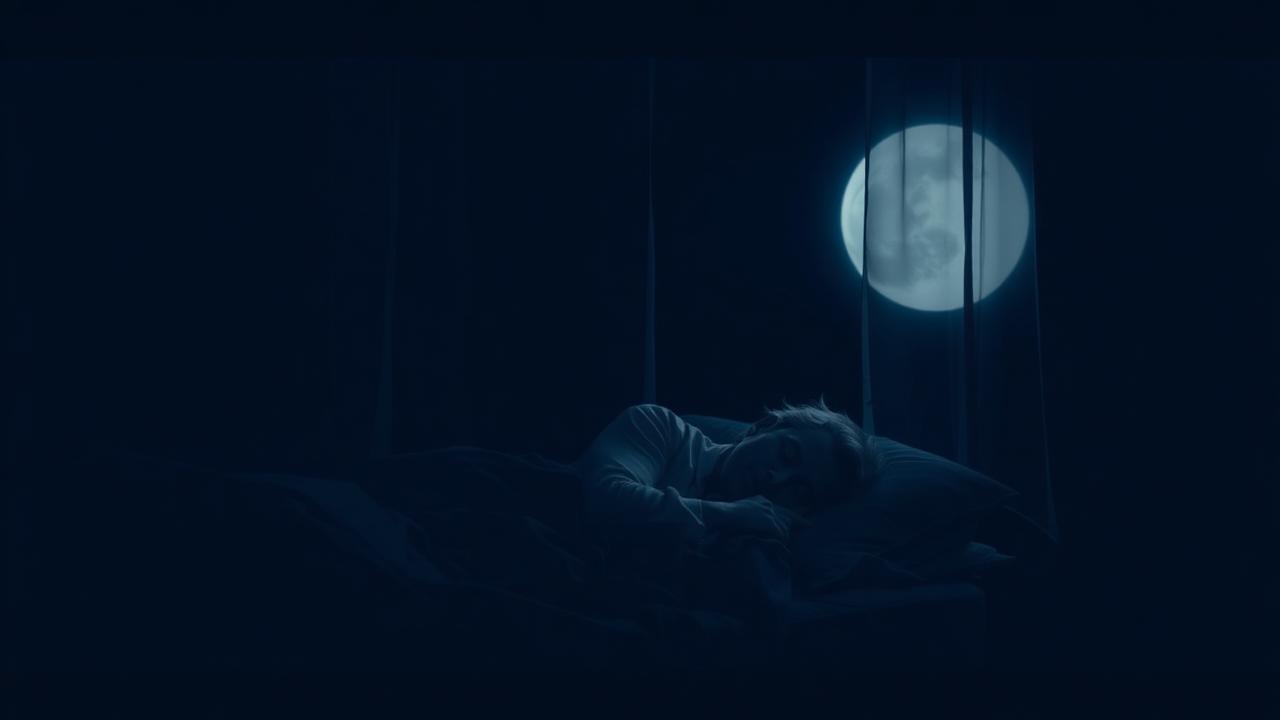
The self-improvement industry has a blind spot. It will sell you courses on productivity, morning routines, habit stacking, and mindset reframes — but it rarely addresses the one factor that underlies all of them: sleep.
Here's what the research actually says:
A study from the University of Pennsylvania found that people who slept 6 hours a night for two weeks performed as poorly on cognitive tests as people who had been awake for 48 hours straight. The kicker? They didn't realize their performance had declined. They rated their alertness as normal while making significantly more errors.
Dr. Matthew Walker, neuroscientist and author of "Why We Sleep," puts it bluntly: "The shorter your sleep, the shorter your life span." But beyond longevity, sleep is the single biggest factor in motivation, willpower, and emotional regulation.
How sleep deprivation kills motivation:
1. Prefrontal cortex shutdown. The prefrontal cortex — your brain's center for planning, decision-making, and impulse control — is the first region to suffer from sleep deprivation. This is why you can't resist junk food, skip workouts, and make impulsive decisions when tired. It's not a character flaw. Your hardware is compromised.
2. Amygdala amplification. When you're sleep-deprived, your amygdala — the brain's threat detection center — becomes 60% more reactive, according to Walker's research. Everything feels more threatening, more overwhelming, more urgent. Your emotional baseline shifts from "I've got this" to "Everything is too much."
3. Dopamine system disruption. Sleep deprivation reduces dopamine receptor sensitivity, meaning your brain's reward system becomes dulled. Activities that normally feel satisfying — completing a workout, making progress on a project, connecting with friends — feel flat and unrewarding. Your brain literally can't generate the motivation signal.
4. Cortisol elevation. Poor sleep raises cortisol (stress hormone) levels by 37-45%. Chronic cortisol elevation causes anxiety, weight gain, immune suppression, and a persistent feeling of being overwhelmed. Many people treating "anxiety" are actually treating sleep deprivation.
The sleep-motivation feedback loop:
Poor sleep → low motivation → skipped healthy habits → more screen time → worse sleep → even lower motivation. This is the cycle that traps millions of people. And it cannot be broken with willpower alone, because willpower requires the brain function that sleep deprivation destroys.
How to fix your sleep:
1. The 10-3-2-1 rule: - 10 hours before bed: No caffeine. Caffeine has a half-life of 5-6 hours and a quarter-life of 10-12 hours. That afternoon coffee is still in your system at midnight. - 3 hours before bed: No food or alcohol. Both disrupt sleep architecture even if they don't prevent you from falling asleep. - 2 hours before bed: No work. Your brain needs transition time between "productive mode" and "sleep mode." - 1 hour before bed: No screens. Blue light suppresses melatonin production by up to 50%.
2. Temperature matters more than you think. Your body needs to drop 2-3 degrees Fahrenheit to initiate sleep. A cool room (65-68°F / 18-20°C) dramatically improves sleep quality. A hot shower before bed paradoxically helps — it brings blood to the surface, allowing faster heat dissipation.
3. Consistency beats duration. Going to bed and waking up at the same time every day — including weekends — is more important than total hours. Your circadian rhythm is a clock, and irregular schedules break it. Even one weekend of sleeping in can shift your circadian rhythm by hours.
4. Create a shutdown ritual. The Motivational app's evening quote can serve as the beginning of your wind-down routine. Read the quote, log your habits for the day, set your phone to Do Not Disturb, and begin the transition to sleep. This consistent ritual trains your brain that it's time to shift gears.
5. Track the correlation. Use the Motivational app's habit tracker to log both your sleep hours and your daily motivation/energy levels. After two weeks, the correlation will be impossible to ignore. The data doesn't lie — your motivated days and your well-slept days will overlap almost perfectly.
The unsexy truth about motivation:
No quote, no routine, no hack, no app will make you feel motivated if you're chronically underslept. Sleep is the foundation. Everything else — morning routines, habit tracking, mindset work — sits on top of it.
Fix your sleep first. Then watch how much easier everything else becomes.
Ready to start your journey?
Try the Motivational app for daily quotes, habits, widgets, and Moti AI coaching.
 Download free
Keep reading



Related quote collections
Browse all 60+ quote topics or read more on the blog.