How to enter a flow state: the science of peak creative performance
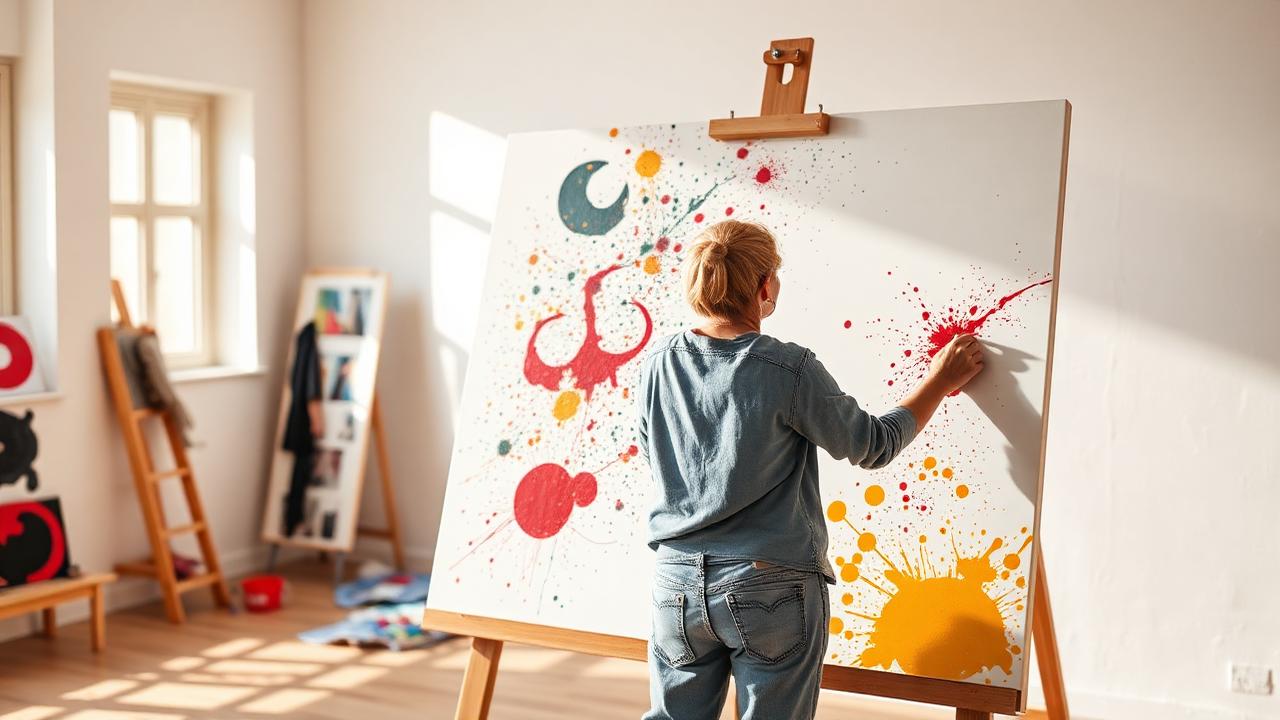
In the 1970s, psychologist Mihaly Csikszentmihalyi noticed something peculiar about artists: they would paint with total absorption for hours, forget to eat, ignore discomfort — then completely lose interest in the painting once it was finished. The reward wasn't the product. It was the process. The state of total immersion itself was the reward.
He called this state "flow" — and it has since become one of the most studied phenomena in psychology.
What flow actually is:
Flow is a mental state of complete absorption in an activity. Self-consciousness disappears. Time distorts (usually feeling faster). Performance peaks. The experience is intrinsically rewarding — you do the activity for its own sake, not for external rewards.
Neurologically, flow involves transient hypofrontality — a temporary deactivation of the prefrontal cortex (the brain region responsible for self-monitoring, time awareness, and inner critic). When this area quiets down, you stop second-guessing yourself. Actions and awareness merge. You're not thinking about the task — you're doing the task.
Flow also involves a cocktail of neurochemicals: norepinephrine and dopamine (for focus and motivation), endorphins (for pain reduction), anandamide (for lateral thinking), and serotonin (for the afterglow of satisfaction). This neurochemical mix is why flow feels so good — and why it's mildly addictive.
The conditions that trigger flow:
Csikszentmihalyi identified specific conditions that reliably produce flow:
1. Challenge-skill balance. The task must be challenging enough to require full attention but not so challenging that it produces anxiety. The sweet spot is approximately 4% beyond your current skill level — enough to stretch you without overwhelming you. Too easy = boredom. Too hard = anxiety. Just right = flow.
2. Clear goals. You need to know exactly what you're trying to accomplish in the immediate moment. Not a vague goal ("write something good") but a specific one ("write the introduction to chapter 3"). Clarity eliminates the need for constant decision-making, which disrupts flow.
3. Immediate feedback. You need to know whether what you're doing is working — in real time. A musician hears the notes. A basketball player sees the shot go in or miss. A writer sees words appearing on screen. Feedback keeps the flow loop running.
4. Deep concentration. Flow requires uninterrupted focus for a minimum of 15-20 minutes. Every interruption — a notification, a conversation, a context switch — resets the flow cycle. It takes an average of 23 minutes to return to the same level of focus after an interruption.
How to engineer flow:
1. Protect a flow block daily. Block 90-120 minutes (aligned with your ultradian rhythm) for undisturbed deep work. No email, no phone, no Slack, no meetings. This is sacred time. Treat it with the same non-negotiability as a doctor's appointment.
2. Eliminate distractions ruthlessly. Put your phone in another room. Close all browser tabs except the one you're working in. Use a full-screen editor. Tell colleagues you're unavailable. Every potential distraction is a flow killer.
3. Start with a ritual. Your brain needs a transition signal between shallow mode and deep mode. A consistent pre-flow ritual — making coffee, putting on specific music, reading a Motivational app quote, sitting in a specific chair — tells your brain: "We're going deep now."
4. Match challenge to skill. If the task is too easy, add constraints (write with a timer, use fewer words, attempt a harder variation). If the task is too hard, break it into smaller pieces until each piece is within your current capacity.
5. Warm up with a related easy task. Don't start your flow block with the hardest part. Start with something related but easier — organize your notes, outline the section, review what you wrote yesterday. This gradual ramp-up is like a warm-up before exercise.
The flow-motivation connection:
Flow is intrinsically motivating — it produces its own reward through the neurochemical cocktail described above. People who regularly experience flow report higher life satisfaction, greater creativity, and more sustained motivation than those who don't.
The Motivational app's habit tracking supports flow by removing the decision-making that disrupts it. When "Write for 90 minutes" is a tracked habit with a streak, you don't waste cognitive energy deciding whether to do it today. The decision is made. The streak is at stake. You just begin — and let flow take over.
Track "Deep flow session" as a daily habit. Over time, you'll notice patterns: when flow comes easiest, what conditions support it, which activities reliably produce it. These patterns are your personal flow blueprint.
Flow isn't a gift reserved for artists and athletes. It's a state available to anyone who creates the right conditions. Engineer those conditions, and watch your best work emerge — not from effort, but from absorption.
Ready to start your journey?
Try the Motivational app for daily quotes, habits, widgets, and Moti AI coaching.
 Download free
Keep reading


Related quote collections
Browse all 60+ quote topics or read more on the blog.