Slow living in a fast world: why doing less leads to more

We live in a culture that equates busyness with importance, speed with progress, and productivity with worth. "How are you?" is increasingly answered with "Busy!" — as if busyness itself were an achievement.
But a growing body of research suggests that our addiction to speed and productivity is making us less productive, less creative, less healthy, and less happy. The slow living movement — which started with slow food in Italy in the 1980s — has expanded into a comprehensive philosophy of intentional deceleration.
The case against hurry:
John Mark Comer's concept of "hurry sickness" describes a chronic state of rushing that produces anxiety, shallow relationships, reduced creativity, and physical health problems. Research confirms the costs:
Chronically rushed people show elevated cortisol levels, impaired immune function, and increased cardiovascular risk.
Multitasking — the hallmark of hurry culture — reduces productivity by up to 40% according to research by the American Psychological Association. It takes an average of 23 minutes to regain focus after a context switch.
Speed reduces creativity. Research by Teresa Amabile found that time pressure is one of the strongest creativity killers. Innovation requires the kind of relaxed, wandering attention that hurry makes impossible.
What slow living actually means:
Slow living isn't about doing everything slowly. It's about doing things at the right speed — giving each activity the time and attention it deserves, rather than rushing through everything to get to the next thing.
It's eating a meal without screens. It's walking without podcasts. It's having a conversation without checking your phone. It's reading without skimming. It's working deeply on one thing instead of shallowly on five things.
The slow living framework:
1. The one-thing principle. Each morning, identify the one thing that would make today feel meaningful. Not five things. One. Give that one thing your best energy and attention. Everything else is secondary. This aligns with Gary Keller's "ONE Thing" research: extraordinary results come from narrowing your focus, not broadening it.
2. Margin, not maximum. Instead of filling every minute, leave margins — empty space between activities. Margins are where spontaneity, creativity, and rest live. A day packed to 100% capacity has no room for the unexpected. A day at 80% capacity has room for both the planned and the beautiful accidents.
3. Unitasking. Do one thing at a time. When you eat, eat. When you talk, talk. When you work, work. When you rest, rest. The Motivational app's daily quote practice embodies this: one quote. One moment of reflection. No multitasking.
4. Digital sabbaticals. Designate regular periods without screens. An evening. A weekend day. A full weekend. Digital sabbaticals restore the attentional resources that constant connectivity depletes. Most people are surprised by how much calmer, clearer, and more present they feel after even a few hours offline.
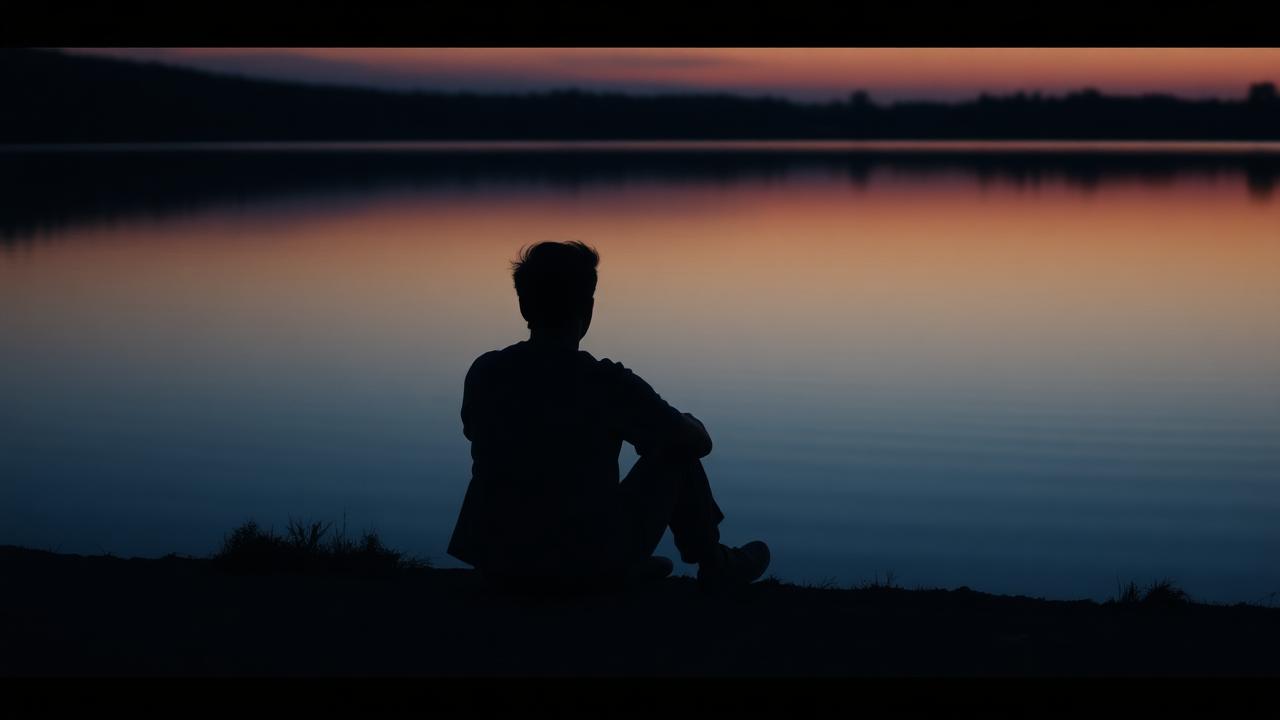
5. Nature immersion. Slow living naturally aligns with time in nature — walks without destination, sitting by water, watching clouds. Nature operates at a pace that recalibrates your internal clock from "rush" to "presence."
The productivity paradox of slowing down:
Counterintuitively, slowing down often increases output quality and long-term productivity:
Deep work (slow, focused, single-task) produces higher quality output in fewer hours than shallow work (fast, distracted, multitask).
Rest and recovery improve subsequent performance. Athletes who rest strategically outperform those who train constantly. The same applies to cognitive work.
Creativity requires incubation — the unconscious processing that happens when you step away from a problem. Hurry eliminates incubation time, which eliminates creative breakthroughs.
The daily practice:
Track "Practiced slow living" as a habit in the Motivational app. This could mean: ate one meal without screens, took a walk without headphones, worked for 90 minutes on one task without switching, or spent 30 minutes without any digital device.
The irony of slow living is that it requires deliberate effort in a world designed for speed. Slowing down isn't passive — it's an active, radical choice to opt out of hurry culture and into intentional presence.
You don't need to do more. You need to do less, better, with full attention. That's not laziness. That's wisdom.
Ready to start your journey?
Try the Motivational app for daily quotes, habits, widgets, and Moti AI coaching.
 Download free
Keep reading

Related quote collections
Browse all 60+ quote topics or read more on the blog.